Prompt – A book by or about a woman in STEM
Medium – Book
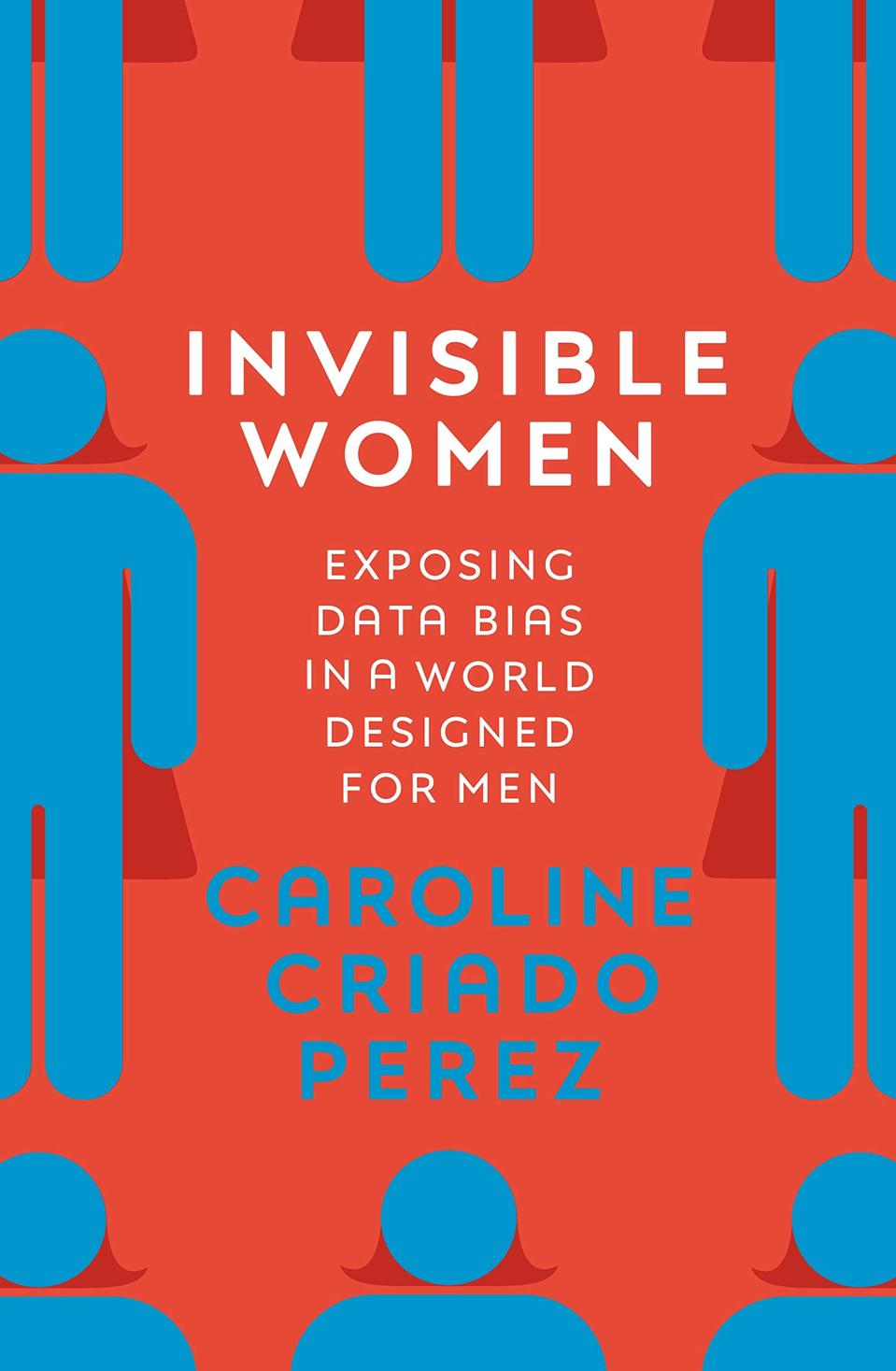
About the Book – Caroline Criado Perez discusses the nature of data bias in our male-focused world – by looking at up-to-date statistics and case studies, she investigates the data gap which exists because of the lack of communication and testing with women in mind, and due to the lack of discussion with women. The book demonstrates how the world is predominantly built for men (and generally white men), and how the data gap that she investigates has shown systematic sexism on a range of levels. Perez looks at a range of areas, such as in education, employment, design and medical advances and shows how a lack of female-orientated data is not only causing problems for females world-wide, but also for citizens of every country, whether they are male or female.
My Rating – 9/10. This isn’t the sort of book I would usually read – feminism, yes, statistics, definitely not. But I was pleasantly surprised and fascinated by this book, which investigated the gender gap with both humour and not a small amount of flair. It was also one of those books that I had to read in small doses, and then go away and kick a wall for a bit. The demonstrations of the data bias were infuriating, as was how easy it would be to fix the problems. One example, close to my heart – women generally do not go back into work and then progress at the same rate as men do after the birth of a child. Women can lose between £100,000 and £300,000 in their life time due to time out to have a child. However, women who want to returning to work would increase GDP, as women pay more taxes. In many countries, (male) politicians try and increase GDP and lower what they see as unemployment, but can’t work out how to do it. The answer (or at least the one Perez suggests)? Talk to women. Increase affordable, quality childcare and women will return to work. This increase in childcare facility will also boost available jobs, which will generally be taken by women. A win-win.
Another area I found shocking was the medical part of the book. Perez looks at things like medications and treatments and discovers another gender data gap. It seems that, in medical testing, there are often extremely few female participants in tests – most of the time test participants are young men. Many treatments that we have available now are not as effective on a female body and some that have been disregarded may work for women but were discontinued as they didn’t work on men. This idea of women’s bodies being just a smaller version of a man’s is a hangover from medieval time and does not take into account our very different physiology and anatomy. One point that stuck with me is that medications will often work differently for women depending on where in their monthly cycle they are. But there is startlingly little research into this – something which could be impacting female treatment, health and well being.
Would I read it again? Yes, definitely. I am also keen to pass it on to friends and family! It’s a book that really makes you think and I think it should be prescribed reading for any man who thinks that sexism is a myth.
 Jen's Book Blog
One thought on “Book #37 – Invisible Women”