Medium – Book
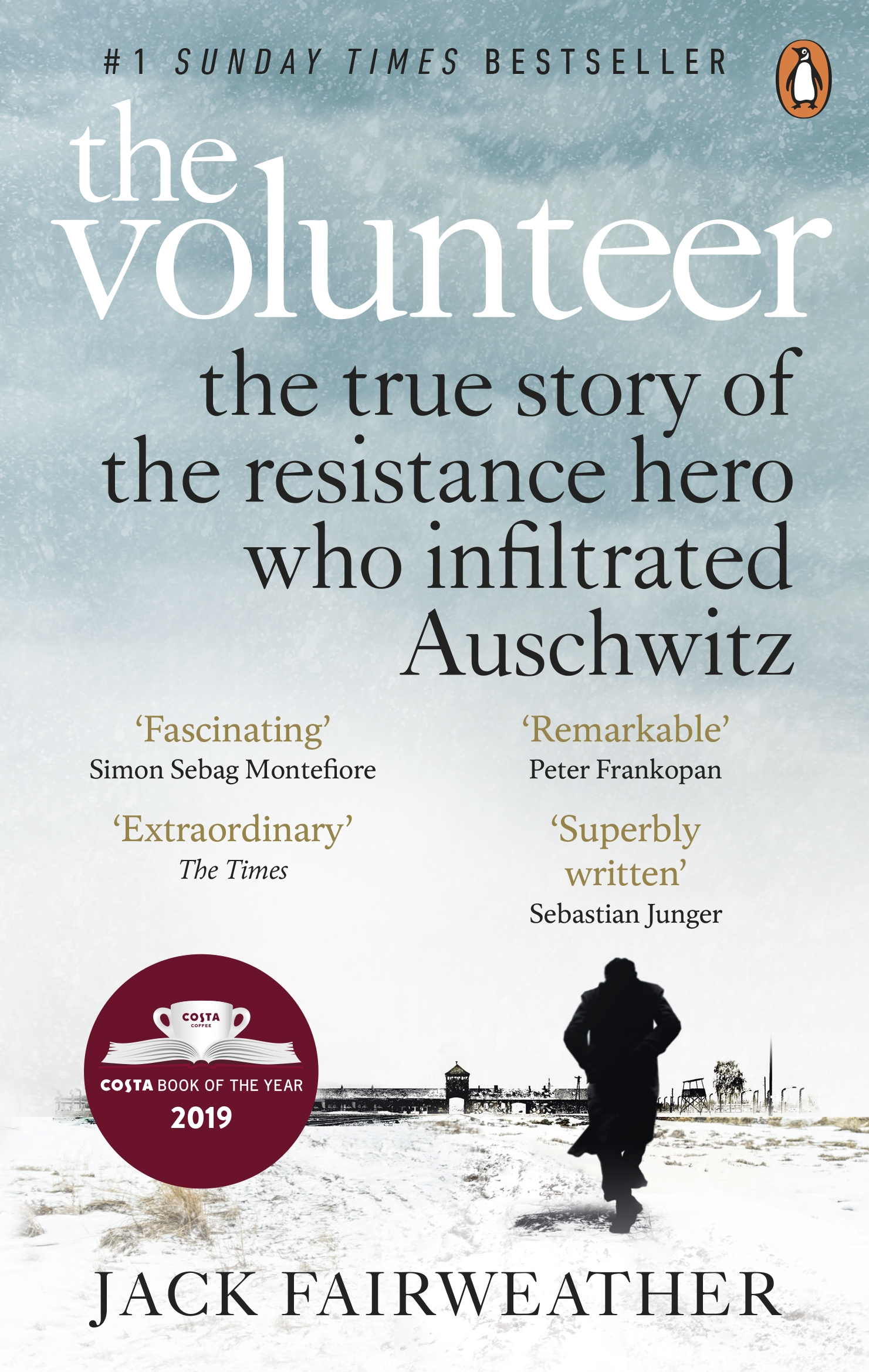
About the Book – Witold Pilecki is an underground operative working in Poland during the Nazi Occupation in 1940. During this time, to live in Poland was terrible, with those who were seen as intellectuals, as well as priests, homosexuals, the disabled and Jews, taken to concentration camps – of which one of the first in Poland is Auschwitz. Despite Witold’s young family and his fears of torture and death, he volunteers to be captured and enter Auschwitz, in order to set up an underground network within the camps. The book then follows his time in camp, where he was often on a knife edge between life and death, his efforts to get word to the West about the atrocities occurring in the camps, his arrest after the Warsaw Uprising and his tragic execution at the hands of the occupying Soviets after the war.

My Rating – 5/5
My Thoughts – This book would not be for everyone. I completely recognise that some people aren’t able to think about the terrible events in Auschwitz and the other concentration camps in WW2 because they are just too horrific. But, if you do feel able to read and learn about Auschwitz, I would wholeheartedly recommend this book. Witold Pilecki is one of the bravest, most interesting and most selfless men I have ever had the pleasure of reading about. His mission in the camp – to both start underground networks for sabotage and possible escape, but also to encourage captives to be kind to each other and protect the weak – was carried out wholeheartedly. The main thing that held him back from succeeding in his plans was the reticence of the West, and it is terrible to think that the genocide going on in the camps may have been stopped/curtailed by more significant intervention earlier in the war.
The book is written excellently. There is plenty of detail without the book being ‘gory’ and seeming too graphic or like it is revelling in the misfortune of the captives. There are extensive character histories in the back of the book, which was really helpful as it meant I could have a flick back to them and work out who they were. The author also presents the dilemma of the Ethnic Polish workers at the camp – they were not on the same ‘kill lists’ as the Jews and other groups, but they had to work within the camp, often with moral dilemmas surfacing. The work of the Prisoner-Doctors/Nurses was particularly difficult, and Fairweather presents the decisions that they had to make fairly, considering their position within the camp (both of privilege, but also the certain knowledge that they could be murdered at any time).
I would massively recommend a read of this book. It isn’t a ‘nice’ subject, but it is one of the best, most well-researched, and most uplifting books I have read so far this year!
 Jen's Book Blog